Introduction
Established in 1860, following the vision of Sir Henry Lawrence, LCGG is the oldest residential institution of its type in Pakistan. Lawrence College started as an asylum with the object to provide a plain and practical education to the orphans and children of the British soldiers in India. It had 82 children in its care initially. The number rose to 204 boys and 101 girls in 1914 when it was taken over by the Government of Punjab as the Lawrence Memorial School; and to 356 boys and 124 girls when it became Lawrence College in 1927 with the construction of the lower estate. The girls' section was transferred to St. Denys' School, Murree in 1949. The College was handed over to Board of Governors in 1962 (Grant of Autonomy by the Punjab Government) effective to date.
The students of this prestigious institution of Pakistan are known as Gallians. Gallians have performed extremely well in every walk of life. They have been distinguished public servants, politicians, artists, military officials, businessmen, doctors and engineers. The college is ranked in the top few schools in the country and is renowned for providing high quality teaching to its pupils combined with all-round development of character and leadership qualities. Today, there are about 700+ boys on the rolls of the three schools.
Started in 1860 in unpretentious barracks, housing about 82 boys and girls of different ages, it developed into its present estate comprising the Junior, Preparatory and Senior Schools in different phases.
Hover over any milestone to expand details.
1860–1869
Foundation & Early Years
- 1860: Sir Henry Lawrence Military Memorial Asylum formally opened at Ghora Gali for the orphans of British soldiers.
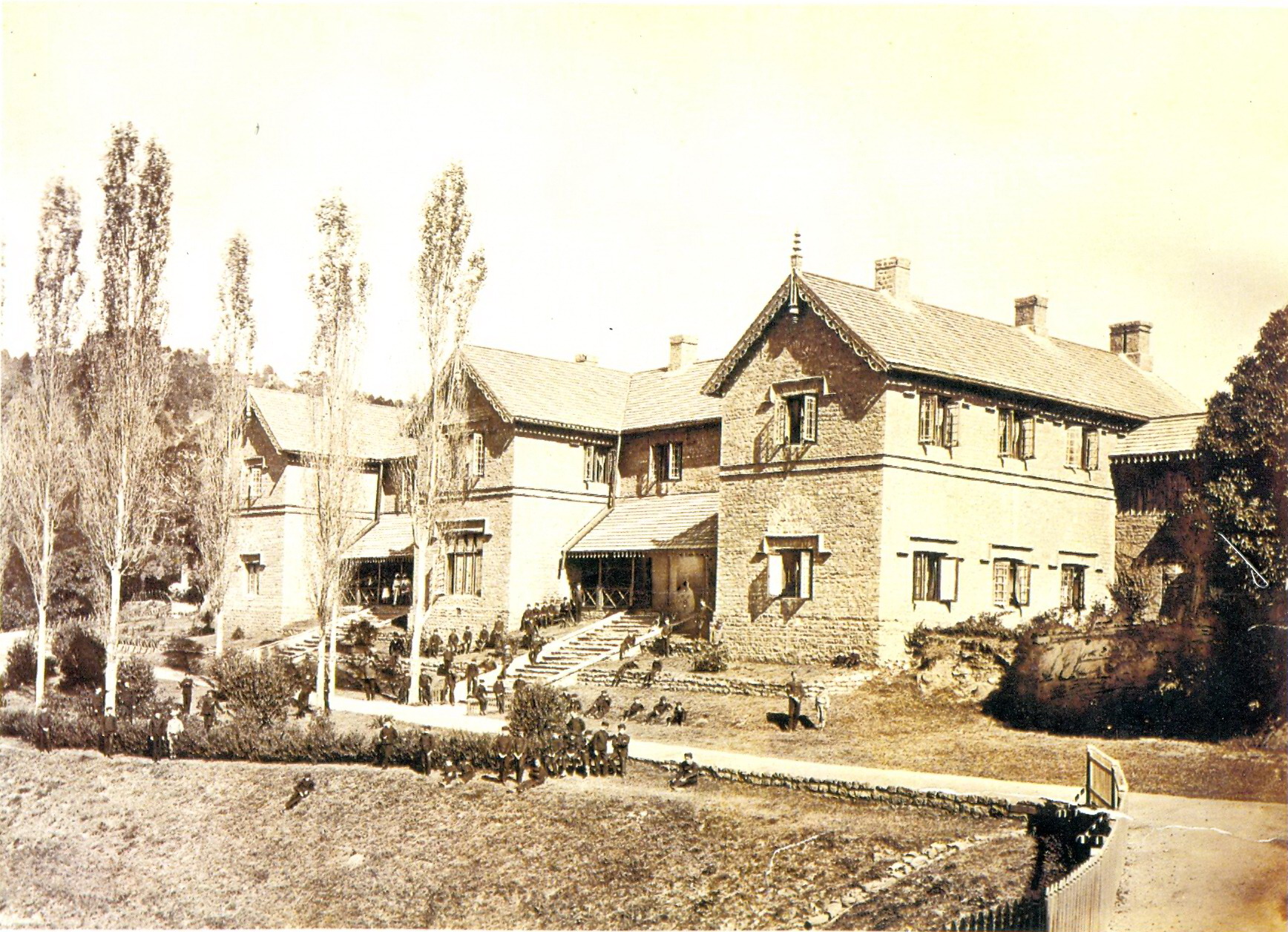
- 1861–62: School building and boarding houses completed.
- 1864: Heavy snowfall damaged the early timber buildings — rebuilt in stone.
- 1865: Adopted a British public-school style curriculum.
- 1867: Dormitories and staff housing expanded to meet rising enrolment.
- 1869: Recognised as the Sir Henry Lawrence Memorial Military Asylum under regular government oversight.
1870–1879
Growth & Recognition
- 1872: Margaret Podmore is the earliest name on the surviving admissions record.
- 1872: Student body grew to about 124 (70 boys, 54 girls).
- 1873: Lord Napier visited and advised the construction of larger facilities.
- 1878: Principal's House (now Peake Cottage, Junior School) built; the chapel site was chosen; enrolment reached around 150.
1880–1889
The Chapel & Expansion
- 1881: Foundation stone of the Chapel laid.
- 1883: New dining hall built.
- 1885: Science subjects introduced alongside classical studies.
- 1886: First female language teacher appointed.
- 1888: Major upgrades to dormitories, water supply and drainage.
- 1889: Enrolment rose to about 200–220.
1890–1899
New Facilities
- 1891: Small hospital, boys' workshop and rifle range built.
- 1894: Chapel completed; enrolment around 171.
1900–1909
Modern Amenities
- 1901: Science laboratory established.
- 1903: Hostel blocks expanded.
- 1905: Organised cricket and hockey competitions began.
- 1907: Library enlarged with a new reading room.
- 1909: Electric lighting installed, replacing oil lamps.
1910–1919
The Great War Years
- Early 1910s: House system strengthened; curriculum broadened with science and practical subjects; sports and cadet training became core.
- 1914–18: During World War I, staff and senior boys joined war service; the cadet corps gained prominence; the school supported war drives despite staff shortages. The Main Block of the Senior School was completed.
- 1915: New Principal's House constructed (White House).
- 1919: Full academics resumed; memorials established for fallen alumni; wartime damage repaired.
1920–1929
House System & Lawrence College
- 1920: The House System was introduced. The Houses were named after former British Principals and Governors of the Punjab — Peake, Dane, Walker, Godley, Wightwick, O'Dwyer, Wright and Maclagan.
- 1920–22: Post-war rebuilding; academic and sports programmes fully resumed; cadet corps reorganised.
- 1923–25: Curriculum modernised; debating and dramatics gained popularity.
- 1925: Chelmsford Training College shifted to Ghora Gali from Sanawar.
- 1926–27: Boarding houses and staff residences expanded; extensions to the Chapel made; the East Window memorial installed.
- 1927: New Intermediate College inaugurated — Anderson Block, Lawrence (Hamid) Hall, Wright House, Peake House and parts of Prep School.
- 1928–29: Annual sports days and cadet parades became signature traditions.
1930–1939
Between the Wars
- 1930–32: Enrolment increased; sciences and English strengthened; cricket and hockey thrived.
- 1932: Peake House building constructed.
- 1933–35: Cadet Corps expanded; debating and inter-school contests flourished.
- 1936–37: Classrooms and boarding houses upgraded; discipline reinforced.
- 1938–39: Students prepared for higher studies and military service as World War II loomed.
1940–1949
War, Partition & Pakistan
- 1940: The current design of the College badge was created for the first time by Kirpa Ram & Sons; previously all badges were made in England.
- 1940–42: Despite wartime shortages, academics and sports continued; many senior boys and alumni joined the British Indian Army.
- 1943–45: Cadet training intensified; the College supported war-relief drives.
- 1946–47: Staff and students witnessed the run-up to Partition and prepared for political change.
- 1947: After Independence, Lawrence College became part of Pakistan's education system while retaining its boarding-school ethos. The girls' section closed, the school sections were reorganised, and the Houses were reduced to four — Peake, Walker, Wightwick and Wright.
- 1948–49: Administration reorganised under Pakistan; normal academics and sports resumed.
1950–1959
A National Institution
- 1950–52: Integrated Pakistan's national curriculum.
- 1953–55: Sports and Cadet Corps revived; debating and dramatics flourished.
- 1956: Pakistan's first constitution marked in school events.
- 1957–59: Boarding houses and facilities modernised.
- 1959: Extension to the Prep School boarding houses.
1960–1969
Centenary & Reform
- 1960: Centenary celebrated; Field Marshal Muhammad Ayub Khan, President of Pakistan, presided.
- 1960–62: Expanded science teaching and laboratories; strengthened sports and cadet training.
- 1963–65: New classrooms and boarding upgrades; debating and dramatics became regular inter-school features.
- 1965: Students and alumni rallied national spirit during the Indo-Pak war.
- 1967: Walker House, the Senior School Masjid and Yadgar-e-Shuhada were constructed.
- 1966–69: Continued academic reforms; reinforced military-style discipline and leadership training.
1970–1979
Renaming & Turbulence
- 1970–72: Maintained academic and sports excellence; strengthened science and cadet programmes.
- 1971: Students and alumni contributed to national efforts during the Indo-Pak war.
- 1973: Lawrence College was renamed Pine Hills College, and the Houses renamed Babar, Tipu, Jinnah and Iqbal.
- 1973–75: Campus facilities improved; cultural and debating activities expanded.
- 1977: The College was again renamed — Ghora Gali College.
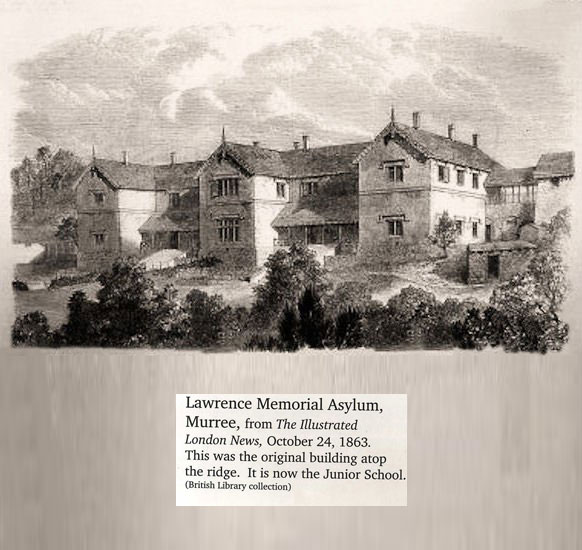
- 1977: Half of the Junior School old building collapsed, never to be rebuilt.
- 1976–79: Curriculum updated; discipline and leadership training sustained.
1980–1989
125th Anniversary & Modernisation
- 1980–82: Strengthened science and computer studies; modernised sports and cadet training.
- 1983–85: Upgraded classrooms, laboratories and boarding facilities; debating and cultural programmes flourished.
- 1984: New building of the Junior School (now the Prep School Academic Block) commissioned.
- 1985–86: The 125th Anniversary was celebrated over two years, drawing many Old Gallians from around the world; President Gen Muhammad Zia-ul-Haq presided. “Lawrence College got its name back.”
- 1986: Computer studies introduced.
- 1988: Many buildings constructed, including staff residences, the Admin Block, Principal's Office, Senior School Library, College Exchange, Post Office and Science Labs.
- 1986–89: Expanded co-curricular activities; reinforced discipline and leadership development.
1990–1999
Fire & Renewal
- 1990–92: Expanded computer education; improved science and sports facilities.
- 1994: Hamid Hall burnt to ashes.
- 1999: NCC (National Cadet Corps) training discontinued.
- 1999: New Hamid Hall inaugurated.
2000–2010
The Sesquicentennial
- 2000–03: Introduced advanced computer and IT facilities; strengthened science curriculum and sports training.
- 2004–06: Major renovation of classrooms, laboratories and boarding houses; cultural and debating activities expanded.
- 2005: An earthquake jolted and damaged major buildings on the campus.
- 2006: Renovation of the College Chapel started.
- 2007: Rededication ceremony of the College Chapel held.
- 2007–10: Emphasised leadership programmes and cadet discipline; integrated modern teaching methods; College Reception, new Exchange, new Guest Houses and a makeover of the reception area.
- 2010: The Sesquicentennial (150th Anniversary) was celebrated with almost 3,000 guests — dignitaries, Old Gallians, parents and former faculty; Mr Yousaf Raza Gillani presided over the final-day event.
Lawrence College is divided into three schools where students live, study and are groomed for their future. Although the schools differ in their size and architecture, there are far more similarities between them than there are differences.
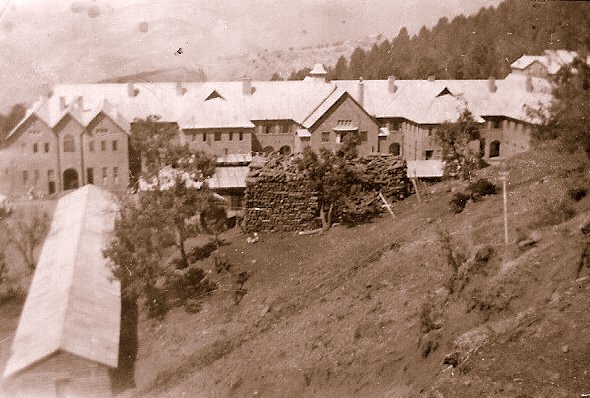
Historical Images

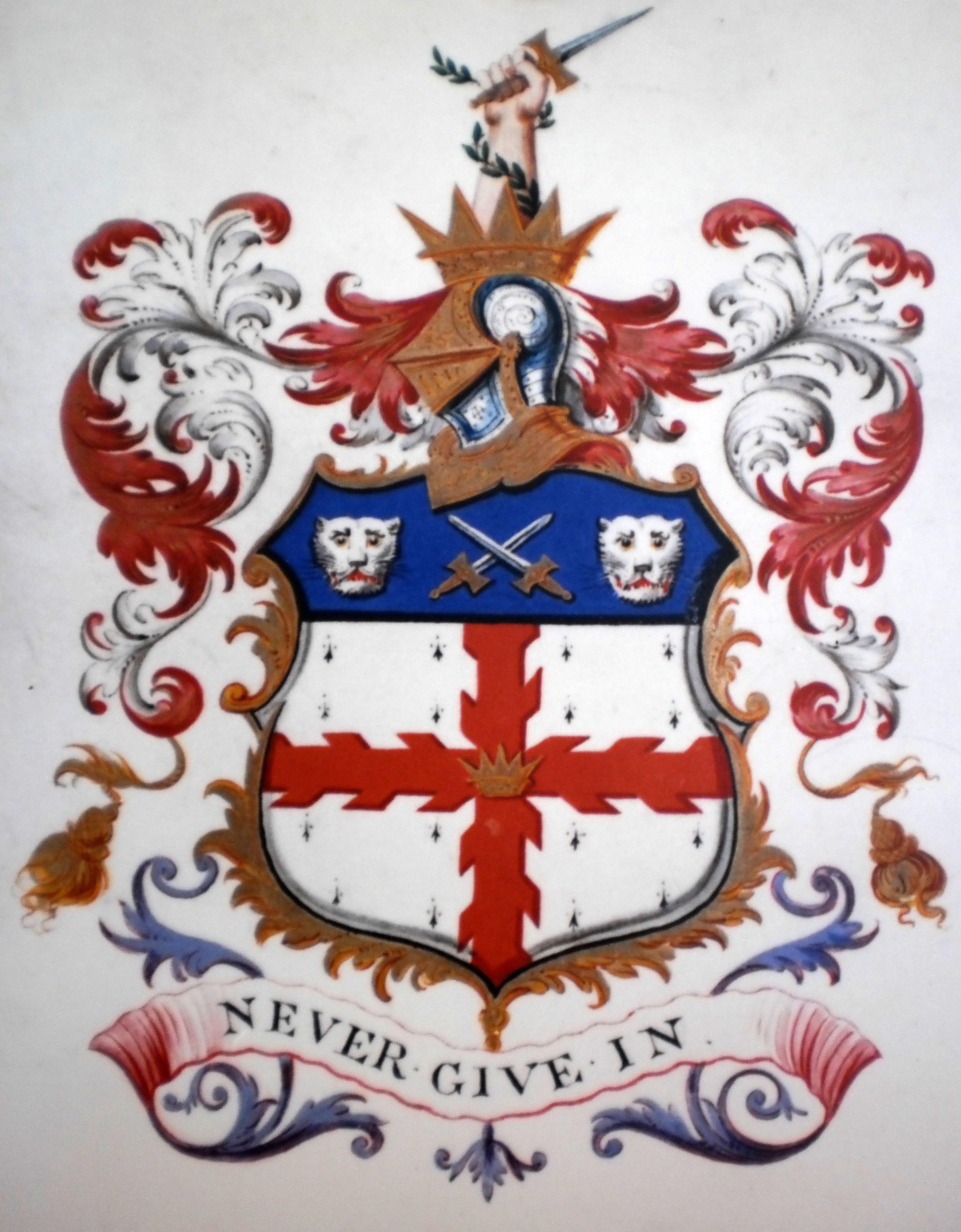
The Lawrence Schools Network
Lawrence College Ghora Gali is one of three "Lawrence Schools" established in the tradition of Maj Gen Sir Henry Montgomery Lawrence. The other two are Lawrence School, Sanawar (in Himachal Pradesh, India) and Lawrence College, Lala Musa (in Pakistan's Punjab).
Each institution was established at a hill station to take advantage of the healthy mountain climate and to provide a remove from the heat and disease of the plains. All share the motto "Never Give In" and the tradition of boarding school education for the sons of military and government personnel.
Architecture & Heritage Buildings
The Lawrence College campus contains several historically significant buildings that date from the British era. The Memorial Chapel, built in the Gothic Revival style, is among the most striking. The administration block, with its distinctive Raj-era architecture, overlooks the rolling lawns of the main quadrangle.
The four boarding houses — Wightwick, Walker, Peake and Wright — each occupying their own buildings and grounds, form the heart of the college's community life. These houses are at the heart of college life, each with its own traditions, sports colours and housemaster.
The College Museum preserves artefacts, photographs and memorabilia spanning 166 years of institutional history, offering a tangible connection to the generations of Gallians who came before.