
A Life of Service
Maj Gen Sir Henry Montgomery Lawrence (28 June 1806 — 4 July 1857) was one of the most remarkable figures in the history of the Indian subcontinent. Born in Ceylon (now Sri Lanka) to a military family, he grew up in Ireland before receiving his commission in the Bengal Artillery of the East India Company in 1822.
Throughout a distinguished military and administrative career spanning four decades, Lawrence served in the First Anglo-Afghan War, the Gwalior Campaign, the First Anglo-Sikh War, and the Second Anglo-Sikh War. His campaigns and administrative achievements earned him the respect of both British officials and Indian leaders alike.
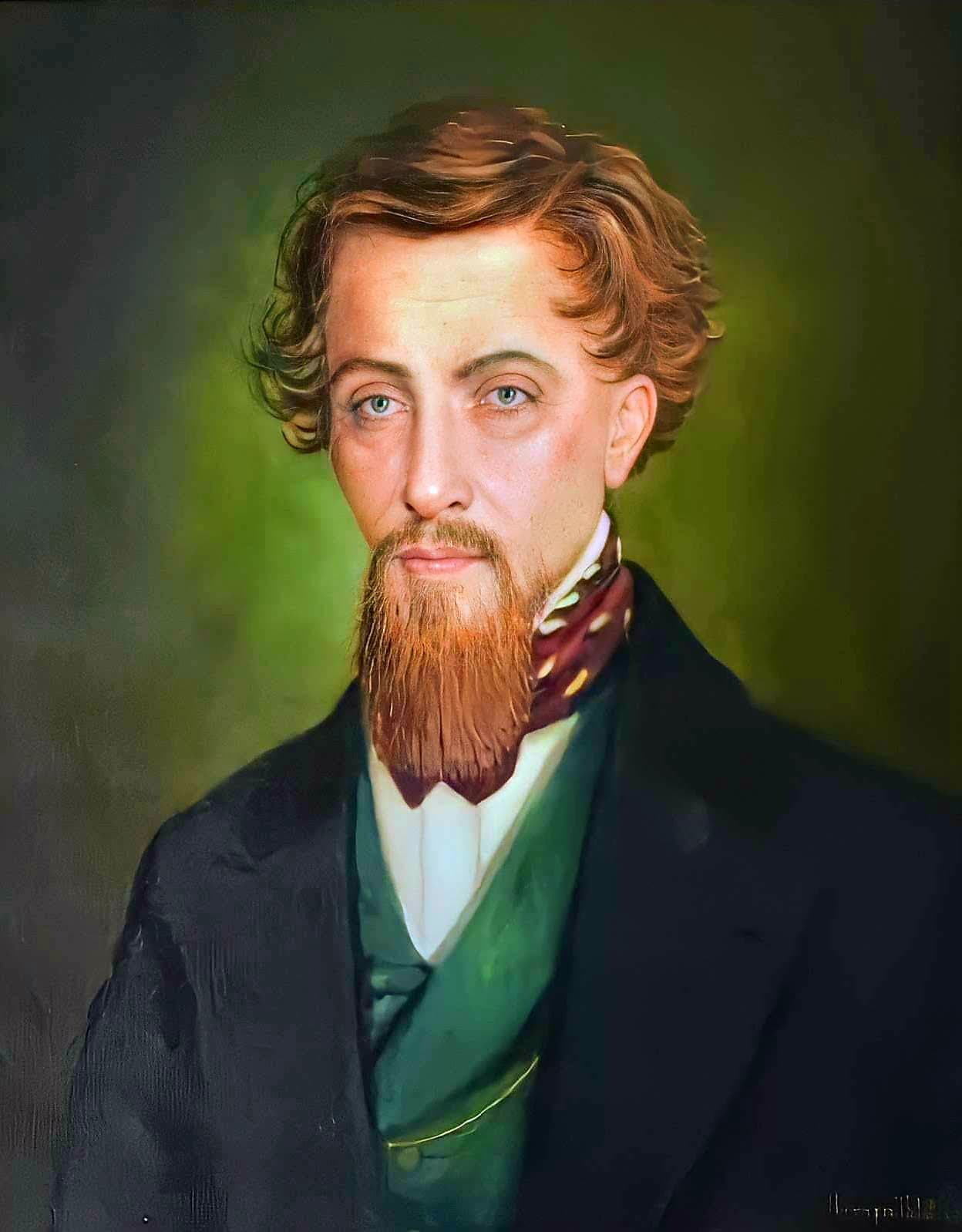
His Vision for Education
Among all his achievements, Lawrence's greatest and most enduring legacy is the network of boarding schools he established for the children of soldiers. He believed deeply that the sons of those who served the Empire deserved the same quality of education as the children of wealthy civilians.
In 1847, while serving as Resident at Lahore after the First Anglo-Sikh War, Lawrence established the Lawrence Asylum at Sanawar (now Lawrence School, Sanawar) in the Simla Hills. This was the first of what would become known as "Lawrence Schools" — a model he replicated wherever his career took him.
Lawrence's vision was humanitarian as much as educational: to provide for the orphans and children of poor soldiers, giving them a safe and nurturing environment, solid schooling, and a pathway to honourable careers. He personally contributed much of his own salary to fund these institutions.
"Never Give In"
— Maj Gen Sir Henry Montgomery Lawrence's last words at Lucknow, 4 July 1857. Now the motto of Lawrence College.
Lawrence College Ghora Gali
In 1860, three years after Maj Gen Sir Henry Montgomery Lawrence's death at the Siege of Lucknow, the institution at Ghora Gali — situated in the cool heights of the Murree Hills — was founded in his memory and honour. It was named Lawrence College in tribute to the man whose vision of affordable, quality residential education for soldiers' sons had inspired its creation.
The college at Ghora Gali carried forward Lawrence's guiding principles: discipline without harshness, academic rigour combined with physical development, and the cultivation of character above all. These principles remain central to Lawrence College's ethos to this day.